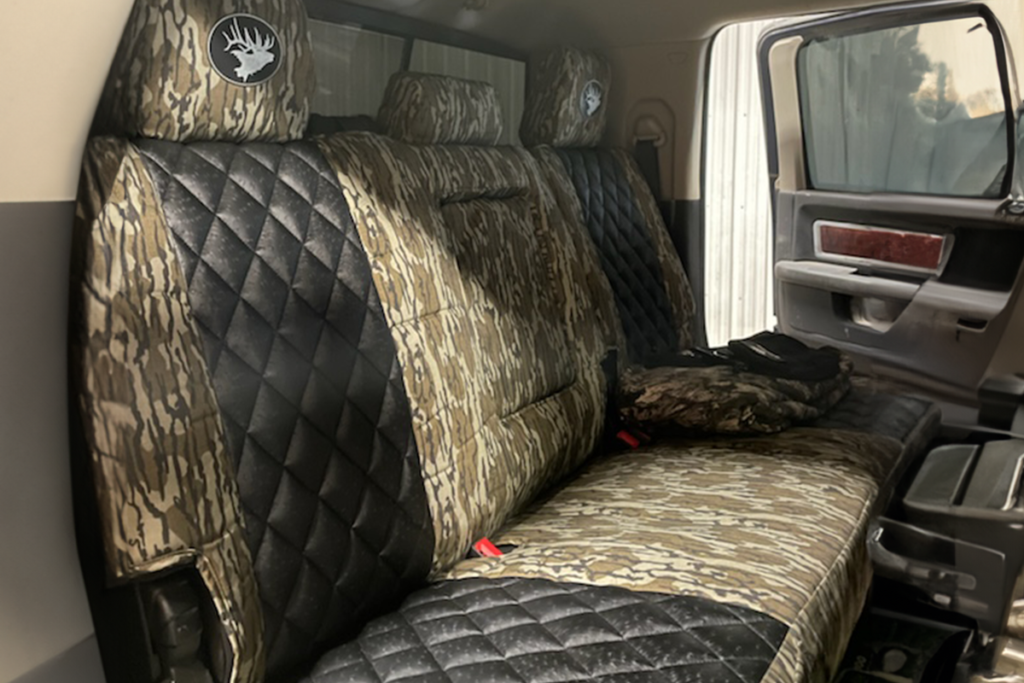
Bottomland Camo Seat Covers
Most popular Bottomland Camo Seat Covers
-

Bottomland Seat Covers
From $419.95 This product has multiple variants. The options may be chosen on the product page -

Bottomland Seat Covers
From $573.95 -

Mossy Oak Seat Covers
From $419.95 -

Mossy Oak Seat Covers – Bronze Series
From $299.00
Bottomland Seat Covers Product Review
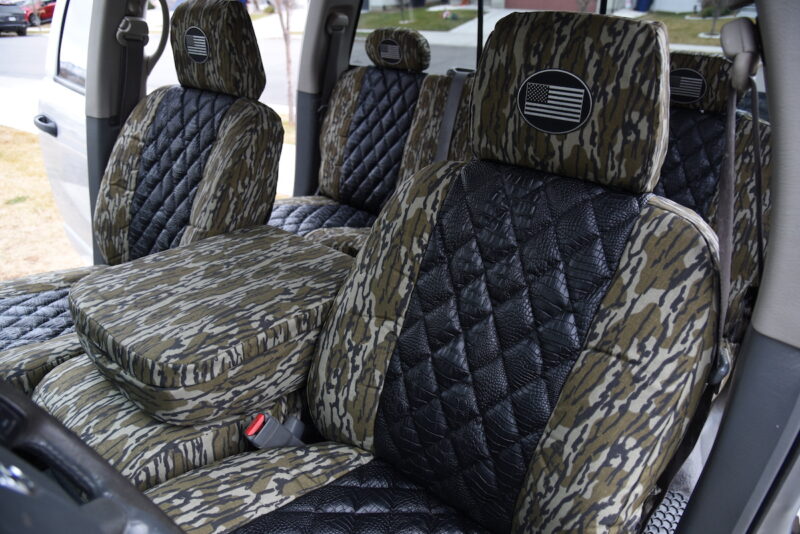
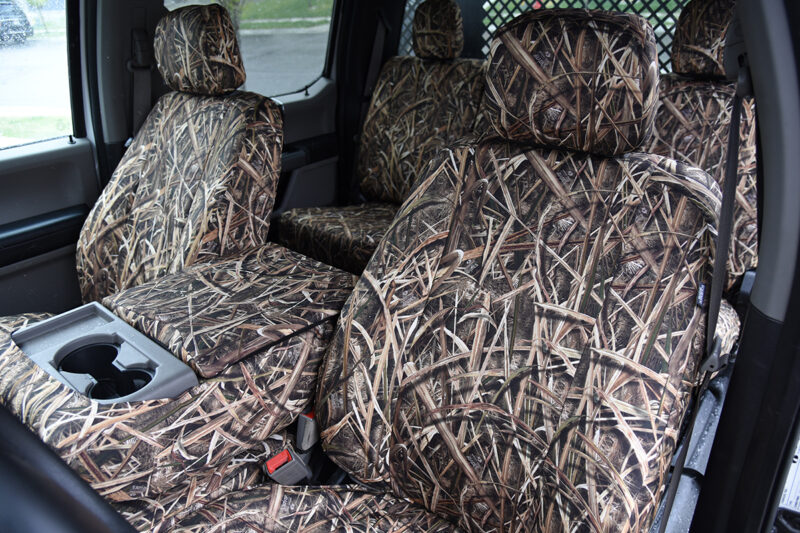
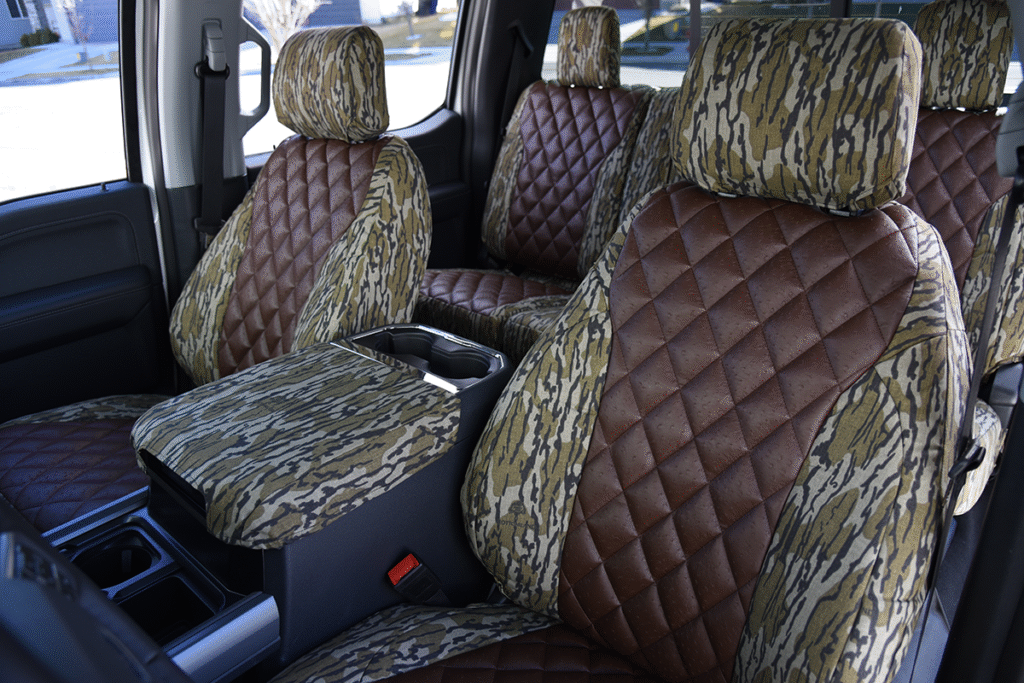
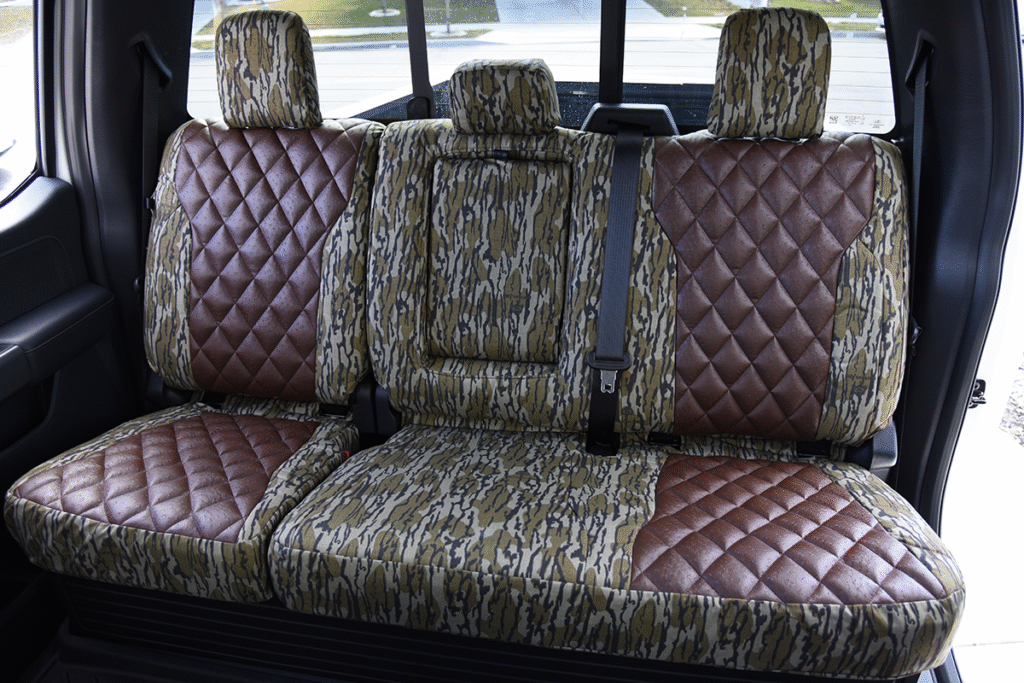
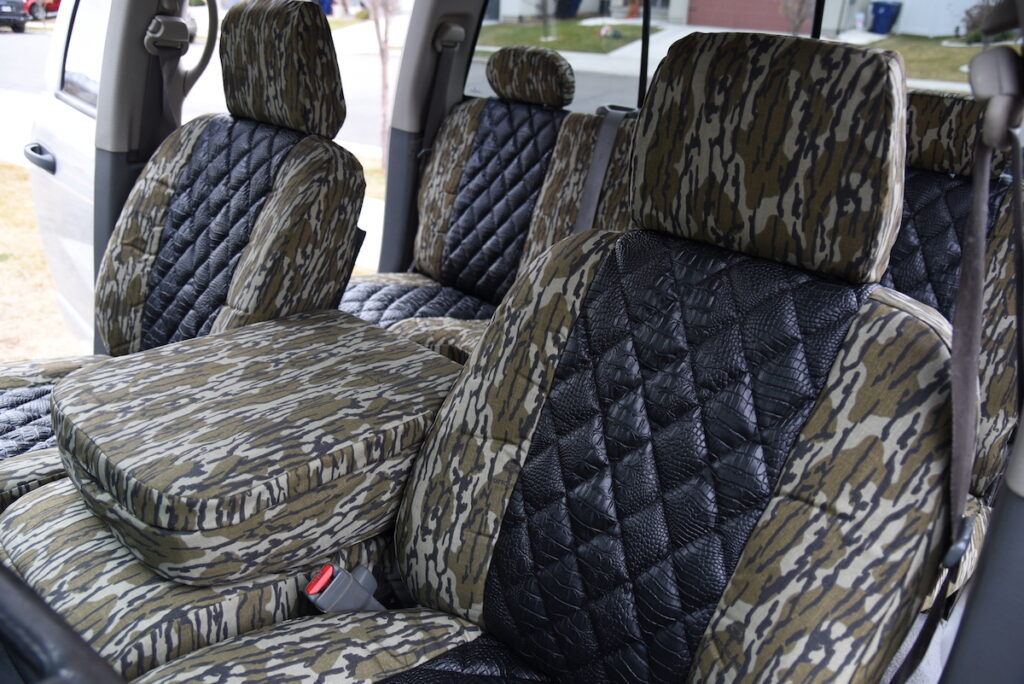
See how Bottomland seat covers look in a real installed setup featuring darker woodland camouflage styling paired with textured black inserts for a more rugged, hunting-focused interior appearance.
This product review highlights the camouflage pattern flow, seat fitment, material texture, and how Bottomland seat covers change the overall cabin appearance while helping handle outdoor use, dirt, mud, and repeated daily wear.c
Related Woodland Camouflage Styles
-

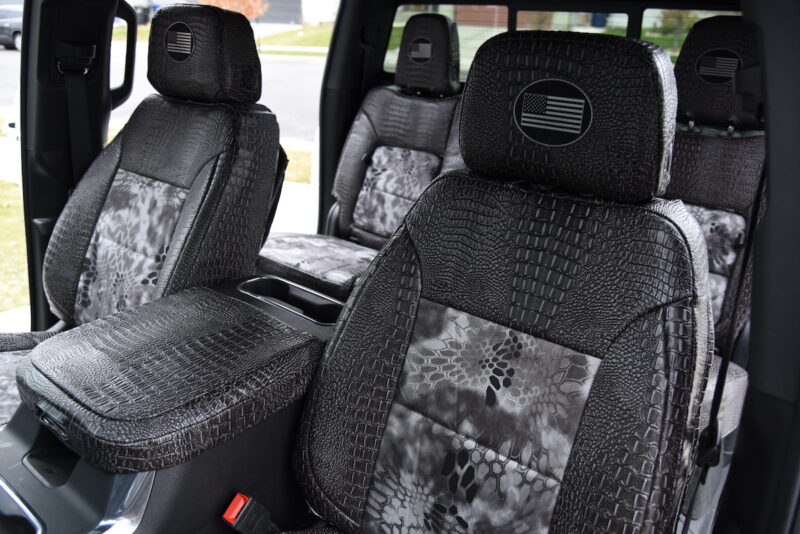
Kryptek Seat Covers
From $498.95 -

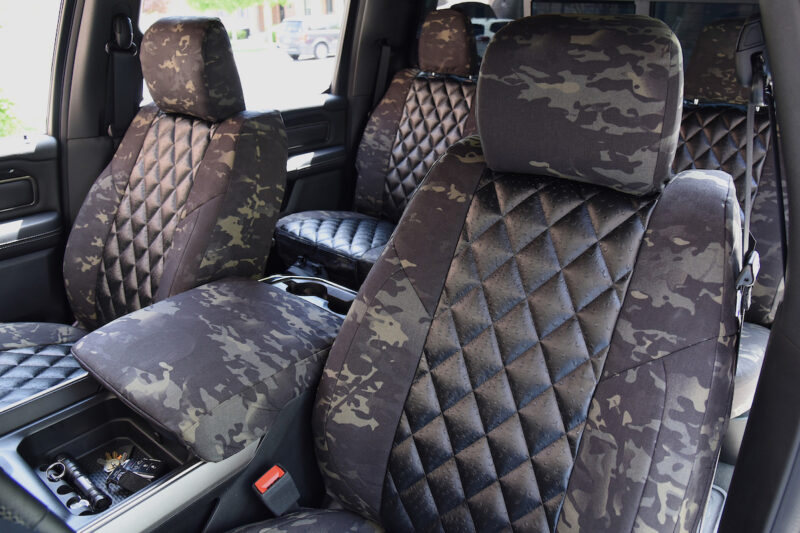
MultiCam Seat Covers
From $573.95 -

Realtree Seat Covers – Bronze Series
From $299.00 This product has multiple variants. The options may be chosen on the product page -

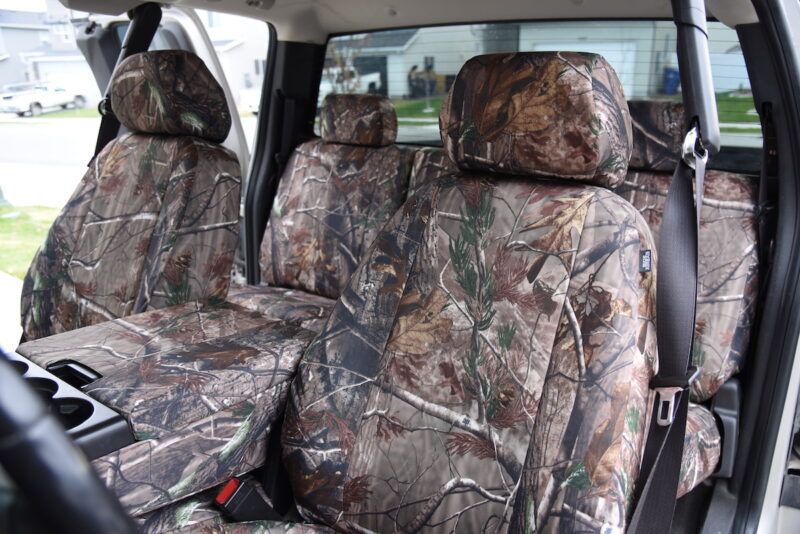
True Timber Seat Covers
From $419.95 This product has multiple variants. The options may be chosen on the product page
Hunting & Outdoor Interior Add-Ons
-

Premium Floor Liners
$149.00 This product has multiple variants. The options may be chosen on the product page -

Dash Cover
$79.00 This product has multiple variants. The options may be chosen on the product page -

Flex Ops Package
$199.00 -

Pet Cover – Black
$129.00
Why Drivers Choose Bottomland Camo Seat Covers
Bottomland camo seat covers are often chosen for darker hunting interiors, wooded environments, and trucks or UTVs where brighter camouflage patterns can feel too sharp or visually aggressive. The bark-heavy layering, muted contrast, and shadow-driven camouflage create a softer woodland appearance across the cabin.
This reel highlights why many drivers prefer Bottomland for hunting setups, darker interiors, and lower-contrast camouflage styling.
Darker Woodland Appearance
Bottomland uses bark-heavy camouflage layering and muted contrast that create a more shadow-driven cabin appearance compared to brighter woodland patterns.
Softer Cabin Transitions
Across larger seats and rear benches, the camouflage spreads more evenly through the interior instead of creating harsh visual separation between seating panels.
Better for Hunting & Timber Setups
Bottomland is commonly preferred in wooded environments, muddy trail vehicles, hunting trucks, and darker UTV interiors where subdued camouflage styling feels more natural.
Bottomland Camo Seat Covers for Low-Contrast Hunting Interiors
Bottomland camo seat covers create a darker woodland appearance inside cars, trucks, SUVs, and UTVs by using bark-heavy layering, muted tree structure, and low-contrast camouflage transitions. Instead of aggressively separating terrain details, Bottomland keeps the interior visually quieter through shadow-driven camouflage that blends naturally into darker cabins and wooded environments.
This camouflage style is especially popular in hunting vehicles, timber environments, muddy trail setups, and outdoor interiors where brighter camouflage patterns can feel too sharp or visually busy.

Why Bottomland Feels Different Inside a Vehicle
Bottomland changes the cabin differently from most camouflage patterns because it does not rely on bright contrast or aggressive terrain detail.
The pattern feels:
- darker across larger seat surfaces
- softer across full cabins
- less visually loud in low light
- more shadow-driven than terrain-driven
- more connected to timber and bark textures
In many vehicles, Bottomland feels less like a printed camouflage pattern and more like part of the interior itself.
That difference becomes more noticeable in:
- black interiors
- charcoal interiors
- darker SUVs
- enclosed hunting cabins
- vehicles used around woods, trails, and brush
Full Cabin Appearance: Bucket Seats vs Rear Benches
Bottomland behaves differently depending on how much seating surface is visible across the interior.
Bucket Seat Layouts
On front bucket seats, the bark structure appears tighter and more vertical. The darker camouflage tones create a cleaner woodland look without overwhelming the dashboard or center console area.
This works especially well in:
- hunting trucks
- darker center-console layouts
- smaller cabins
- UTV bucket seating
Full Rear Bench Interiors
Across larger rear benches and full-size truck cabins, Bottomland becomes more atmospheric. The muted contrast spreads across the cabin rather than sharply separating the panel sections.
In larger SUVs and crew cabs, this creates:
- deeper shadow appearance
- softer camouflage transitions
- a more unified woodland tone across the entire interior
Drivers who dislike loud camouflage often prefer how Bottomland behaves across larger seating layouts.
How Bottomland Reacts to Interior Colors
Black Interiors
Bottomland blends naturally into black cabins because the bark-heavy camouflage already carries darker shadow tones. The pattern feels deeper and more subdued instead of visually separated.
Best for:
- black dashboards
- black flooring
- darker trim packages
- night-use hunting vehicles
Charcoal and Gray Interiors
Gray interiors reveal more bark detail and vertical tree structure. This creates a more visible camouflage appearance while still keeping the interior muted overall.
Best for:
- gray trucks
- outdoor SUVs
- mixed-use hunting vehicles
Brown and Earth-Tone Interiors
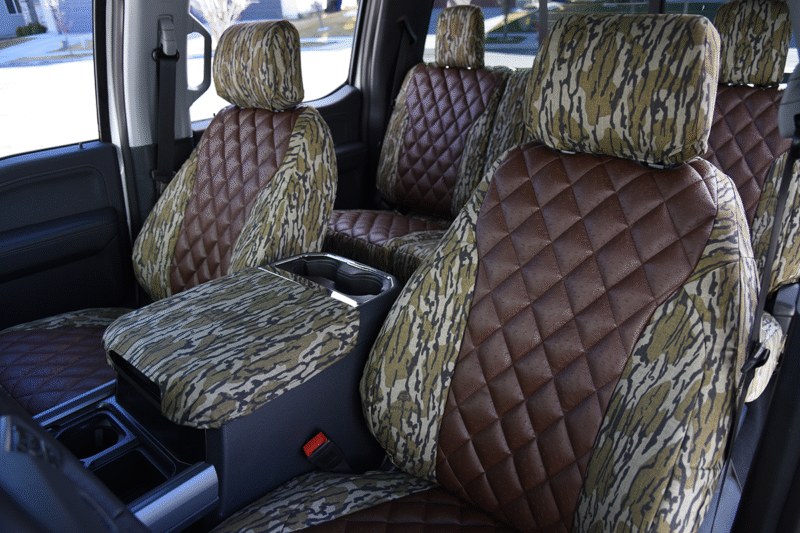
Bottomland pairs especially well with earth-tone interiors because the bark layering feels closer to timber, wet woods, and natural outdoor terrain.
This creates one of the most natural-looking camouflage cabin combinations in wooded environments.
Popular Hunting Truck & SUV Fitments
Bottomland is commonly used in hunting trucks, wooded trail vehicles, and darker SUV interiors:
Forest Lighting vs Open Sunlight
Bottomland behaves differently depending on outdoor lighting.
Forest Shade
In shaded woods and darker terrain, the camouflage becomes softer and more shadow-driven. The pattern visually settles into the cabin instead of standing out aggressively.
This is where Bottomland feels most natural.
Open Sunlight
In direct sunlight, more bark texture and tree structure become visible. Even then, the camouflage remains darker and quieter than brighter woodland patterns.
Drivers who want lower visual intensity often prefer this softer transition.
Why Some Hunting Setups Prefer Bottomland
Bottomland is often chosen by drivers who want camouflage that stays visually calm across the interior instead of becoming the main focal point.
This pattern works especially well for:
- wooded hunting environments
- muddy trail access roads
- timber property vehicles
- low-light outdoor driving
- darker truck cabins
- hunting setups with outdoor gear already inside the vehicle
Many drivers choose Bottomland because the camouflage feels mature, subdued, and less aggressive than brighter hunting patterns.
When Bottomland Can Feel Too Dark or Muted
Bottomland is not ideal for every interior.
Some drivers prefer more:
- terrain separation
- brighter woodland detail
- visual contrast
- tactical structure
- sharper camouflage definition
In lighter interiors, the softer camouflage transitions can sometimes feel too subdued compared to more detailed woodland patterns.
Drivers wanting high-visibility camouflage styling may prefer a more contrast-heavy pattern instead.
Related Woodland Camouflage Styles
Drivers comparing darker woodland camouflage patterns can also explore:
Terrain Pairings That Fit Bottomland Best
Bottomland visually matches environments with:
- timber
- wet woods
- muddy trails
- forest shade
- brush-heavy terrain
- darker outdoor surroundings
The camouflage feels strongest when the vehicle already belongs in wooded environments instead of open desert or tactical-focused setups.
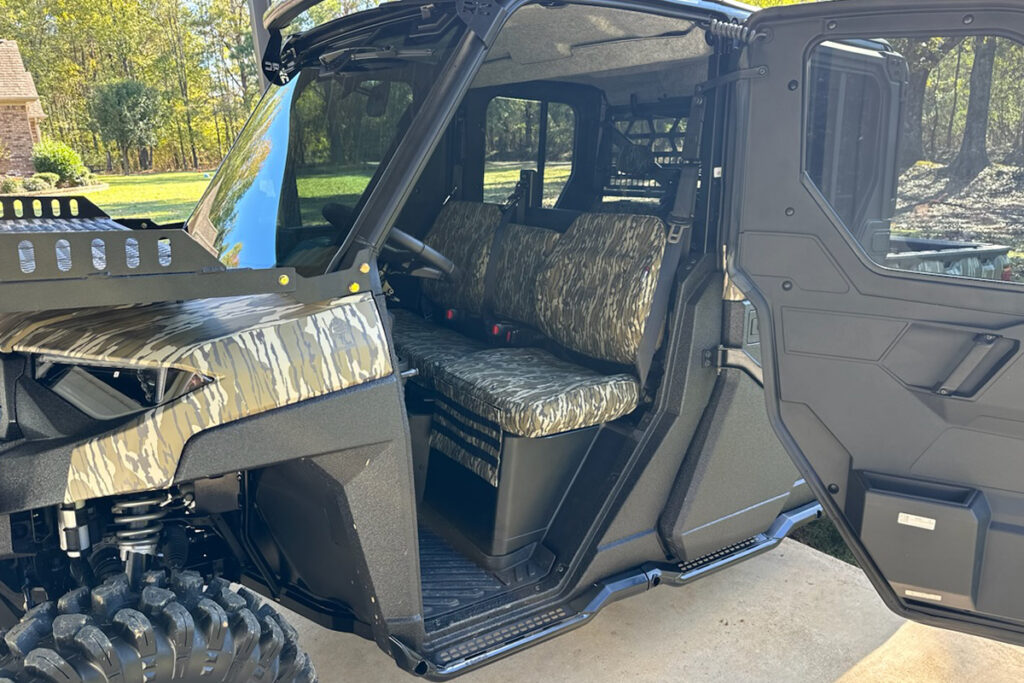
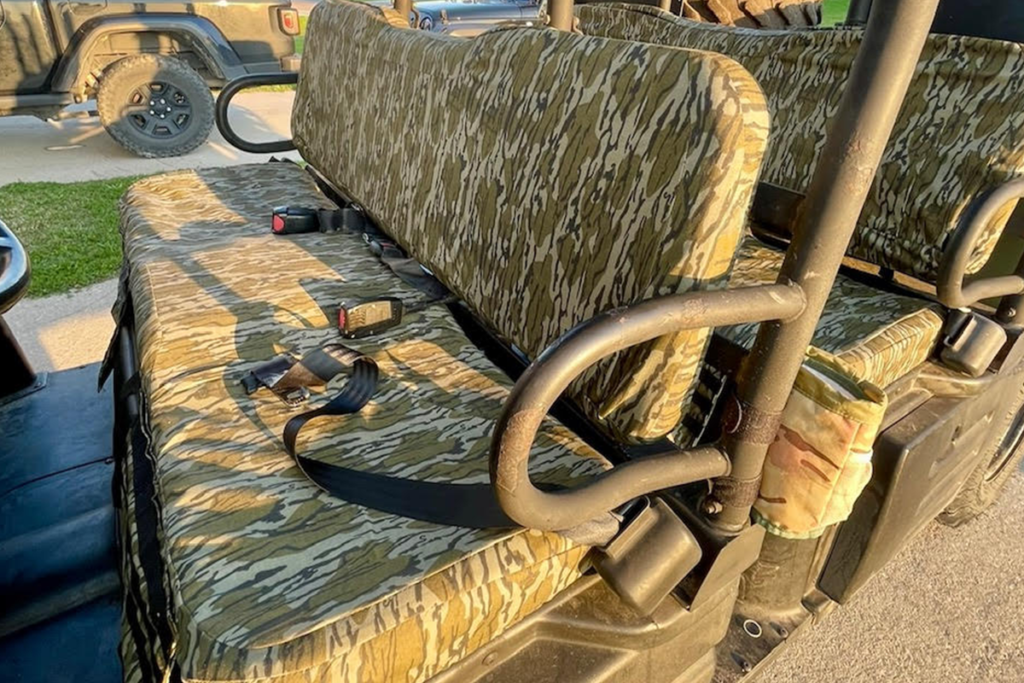
Bottomland for UTV & Trail Riding Setups
For wooded trail riding, muddy terrain, and hunting-focused side-by-side interiors, explore:
How Bottomland Looks from Outside the Vehicle
Bottomland creates a different impression from outside the cabin compared to brighter camouflage patterns.
Because the camouflage carries muted contrast and darker bark layering, the interior usually appears:
- darker through the windows
- less visually busy
- more blended into darker cabins
- less reflective in sunlight
- more subdued from a distance
This creates a quieter woodland appearance externally while still maintaining a strong camouflage identity up close.
Drivers Who Usually Avoid Bottomland
Bottomland may not be the right match for drivers who:
- want brighter camouflage visibility
- prefer tactical styling
- like sharper pattern separation
- want lighter outdoor imagery
- prefer aggressive visual contrast across seats
The pattern is intentionally quieter and more shadow-heavy than many camouflage styles.
Explore Bottomland Seat Cover Options
Drivers wanting the full darker woodland camouflage setup can also explore:
Bottomland Camo Seat Covers FAQ
Quick answers to help you choose the right Bottomland setup for darker woodland and hunting-focused interiors.
Why does Bottomland feel darker inside a vehicle?
Bottomland uses muted bark layering, softer tree structure, and low-contrast camouflage transitions that naturally create a darker cabin appearance.
Does Bottomland work better in black interiors?
Yes. Bottomland pairs especially well with black and charcoal interiors because the darker camouflage tones blend naturally into darker cabins.
Why do some hunters prefer Bottomland over brighter camouflage?
Many hunting-focused drivers prefer Bottomland because the camouflage feels more subdued, shadow-driven, and natural in wooded terrain and lower-light outdoor environments.
Does Bottomland look too busy across large rear seats?
Usually no. Because the camouflage uses softer contrast, Bottomland tends to spread more evenly across larger seat surfaces without creating harsh visual separation.
Is Bottomland more tactical or traditional?
Bottomland is a traditional woodland camouflage pattern focused on bark-heavy outdoor layering rather than tactical geometry or aggressive contrast styling.
What environments match Bottomland best?
Bottomland works especially well in timber, muddy woods, forest trails, brush-heavy terrain, and darker outdoor environments.